
When people hear “AI filters,” they often imagine something casual, like a social media effect. That’s not what event-focused AI filters are.
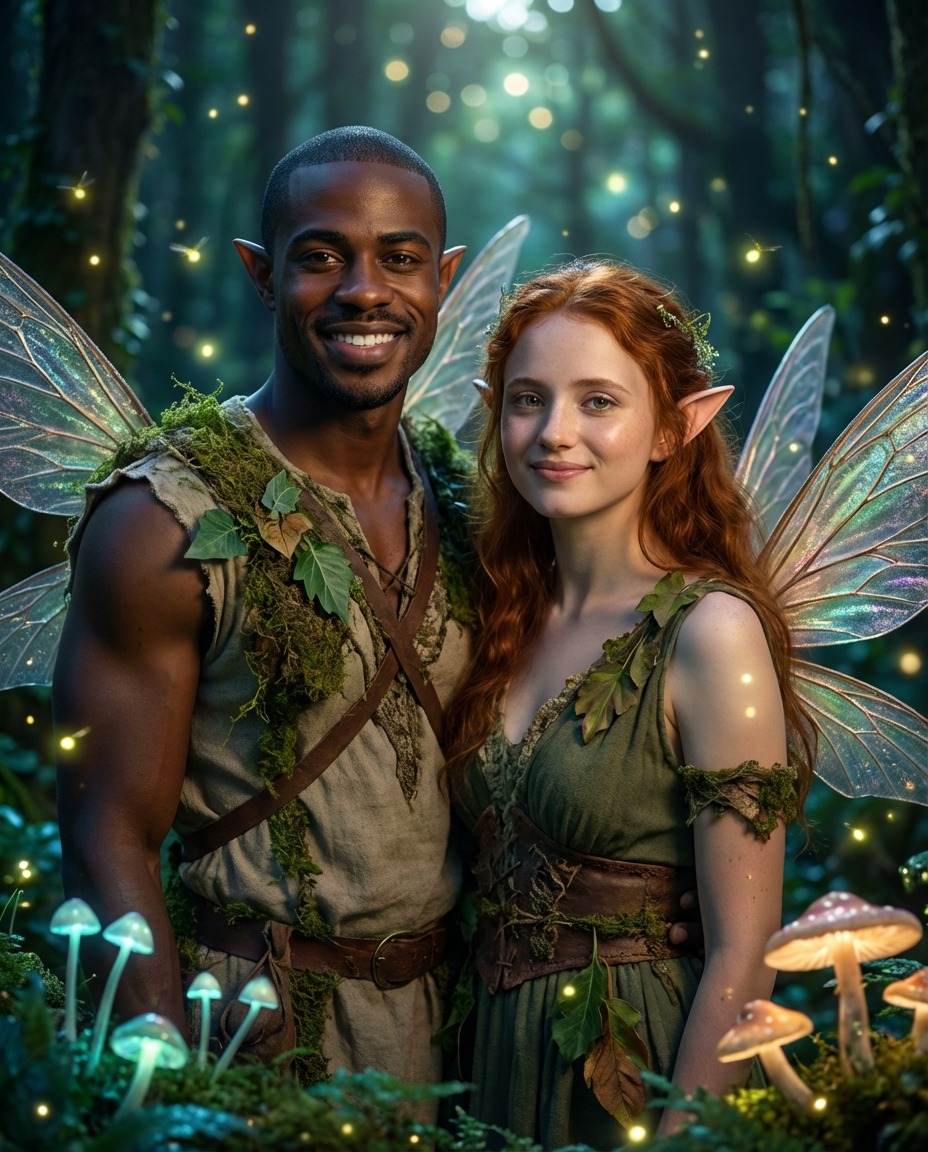
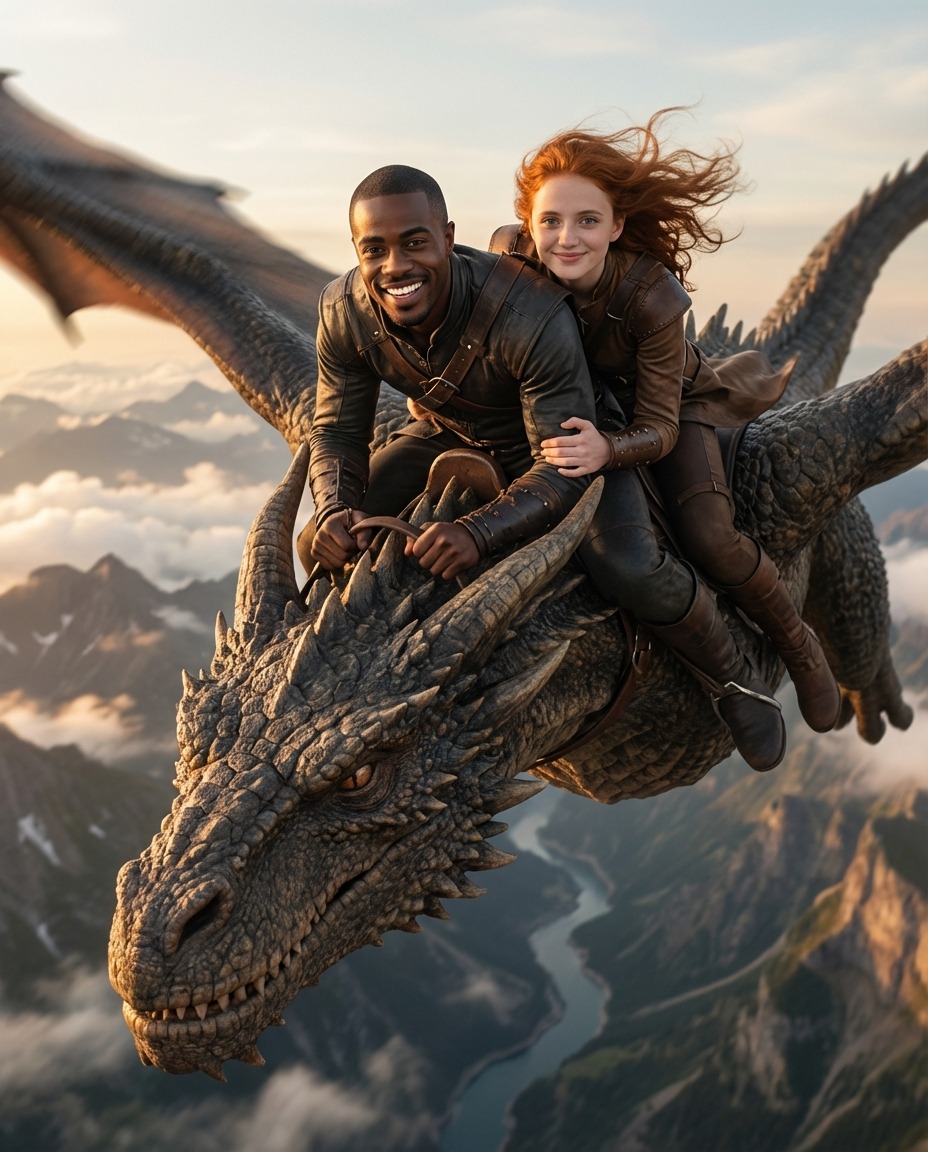
At live events, filters are predefined creative directions. They determine the style, tone, and transformation guests will see in their final image. They are not open prompts and they are not built on the spot by guests.
This distinction matters. At events, clarity beats experimentation.
What guests actually see
From a guest’s perspective, filters appear as simple choices. They might see a small set of style options selected by the organiser. The experience is guided. There’s no typing, no guessing, and no creative pressure.
Guests choose what feels fun or interesting and move forward. The simplicity is intentional. In a social environment, too much freedom creates hesitation.
Why fewer options often work better
It can be tempting to show as many styles as possible. But at busy events, a smaller curated set usually performs better. Guests decide faster. Lines move more smoothly. Results feel cohesive instead of scattered.
Good filter selection isn’t about quantity. It’s about fit.
Who controls the creative direction
In event-focused AI systems, creative control belongs to the customer or organiser. They decide which filters are available and how the experience looks.
This allows the creative concept to be aligned with the event before guests ever arrive. It also means brand tone, audience type, and event goals can be considered in advance.
Guests participate. They don’t design the system.
Why this structure works at scale
At one small private gathering, creative chaos might be entertaining. At a public event with hundreds or thousands of guests, it becomes difficult to manage.
Predefined filters create consistency. They also allow the AI system to operate predictably, which improves speed and reliability. At scale, predictability is what keeps the experience enjoyable instead of stressful.
How custom filters fit into the picture
Custom filters allow organisers to tailor the experience more specifically to their event. The creative work happens during setup, not during the guest interaction.
This shift keeps the on-site experience simple while still allowing deeper creative control behind the scenes.
Why filters are about experience, not effects
It’s easy to think of filters as visual tricks. In reality, they shape how guests feel about the experience. A well-chosen filter makes the transformation obvious and satisfying.
A poorly chosen one can feel confusing or disconnected from the event.
The balance between creativity and clarity
The strongest AI photo booth experiences strike a balance. They feel creative, but not chaotic. They feel personalised, but not unpredictable.
At live events, that balance is what turns an interesting idea into something that actually works.
How AI filters work at live events (and who actually controls them)
Jun 17, 2025
Filters & Styles
FAQs
What are AI photo booth filters?
Filters are predefined creative styles that determine how the final AI-generated image looks. They are selected by the event organiser, not created by guests during the event.
Can guests create their own filters?
In event-focused setups, guests typically choose from curated options. Creative control is handled during event setup.
Why not offer unlimited filter choices?
Too many options slow down decision-making and can reduce consistency. A curated set improves flow and cohesion.
What Are Custom Filters in Magipic.ai?
Custom AI filters don’t mean guests can do anything they want. Here's what custom filters are in Magipic, how they work at real events, and why control matters when you’re running AI in public.
What “branding” actually means in an AI photo booth experience
A clear explanation of how branding works in AI photo booth experiences, beyond just adding a logo.
What are group filters and when should you use them?
Group filters are designed for AI photos with multiple people in the frame. This article explains how they work, why they exist, and when they make sense for real events.