
When people hear “branded photo booth,” they often picture a logo in the corner of an image. That’s only part of the story.
In reality, branding in an AI photo booth experience shows up before, during, and after the photo is taken. It influences how the booth looks, how the interface feels, and how the final images are presented.
If branding feels like an afterthought, guests notice.
What guests see first
Branding starts at the moment of approach. The screen design, the language used, and the visual tone all signal whether the experience belongs to the event.
A consistent look builds trust. Guests feel more confident engaging when the booth clearly matches the surrounding environment.
How branding shapes the transformation
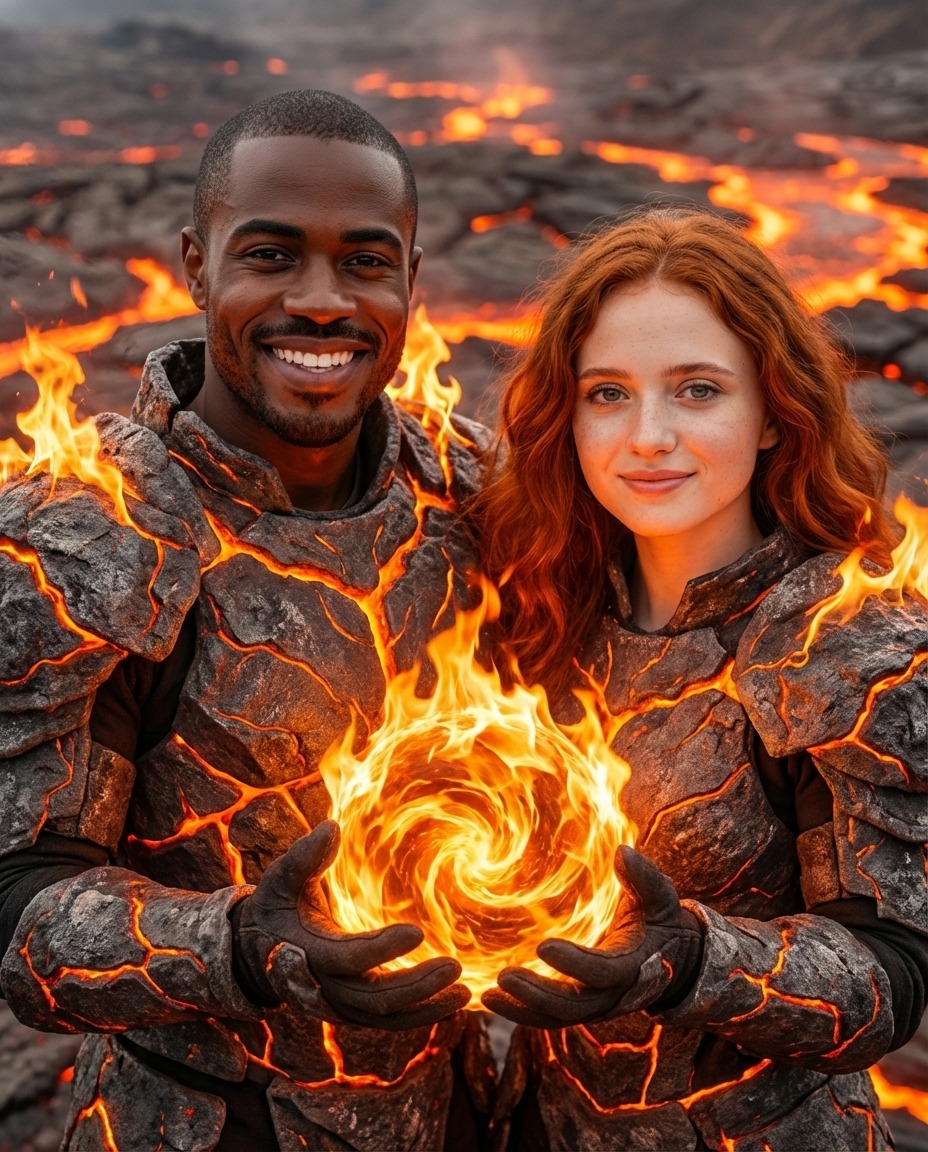
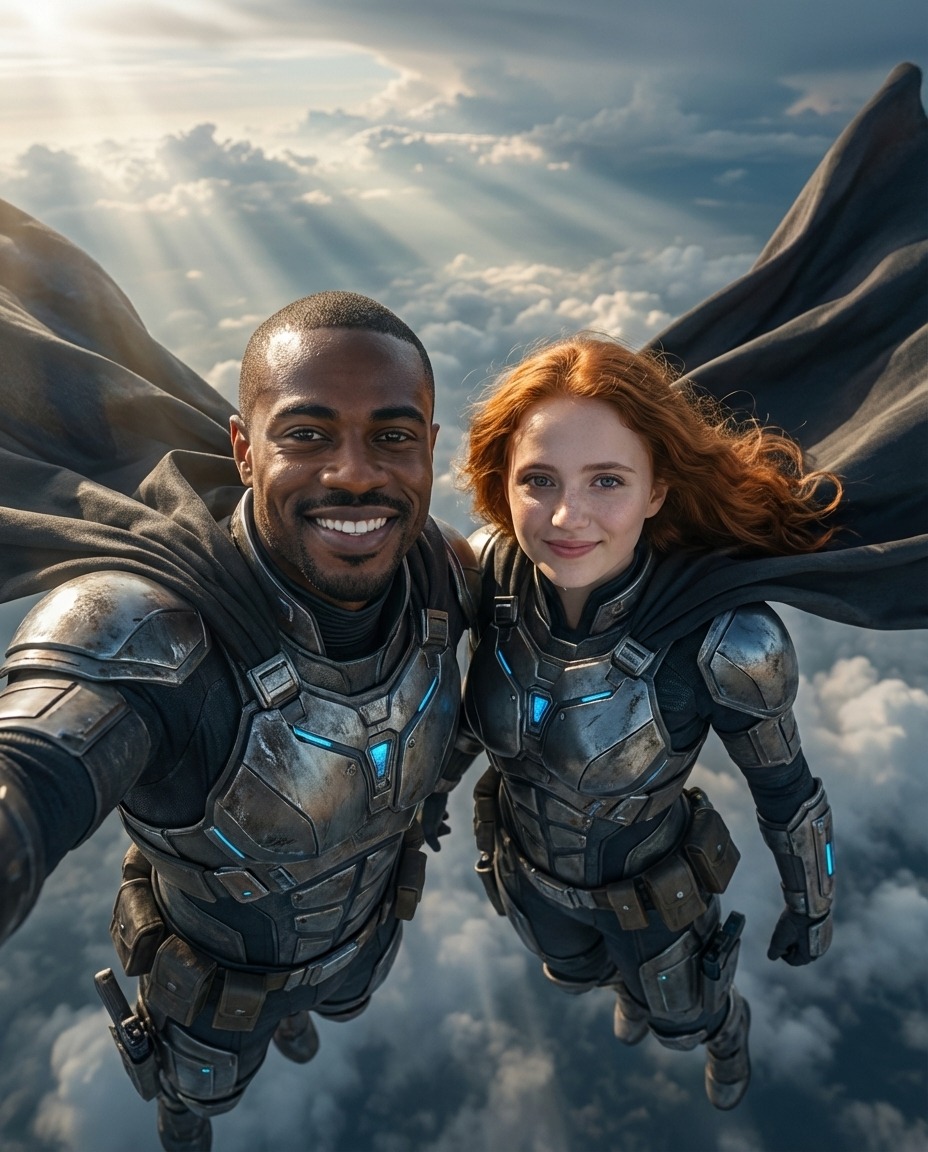
Filters and styles should reflect the event’s identity. A playful event can support bold transformations. A formal corporate gathering may need something more refined.
Brand alignment doesn’t mean the experience becomes rigid. It means the creative direction feels intentional.
Why agencies think about branding differently
For agencies, branding isn’t just about aesthetics. It’s about protecting client reputation and delivering measurable value.
A well-branded AI photo booth experience creates images that can be shared confidently. It avoids surprises that might feel off-message or inappropriate.
That consistency is often more important than visual complexity.
Brand presence after the event
Branding doesn’t end when the photo is delivered. If images are shared later or revisited after the event, they continue representing the brand.
This is why cohesive design and controlled outputs matter. The photo shouldn’t feel disconnected from the event weeks later.
Balancing visibility and subtlety
There’s also a balance to strike. Overly aggressive branding can feel intrusive. Subtle, well-integrated branding feels more premium.
The goal is for guests to associate the positive experience with the brand, not to feel like they participated in an advertisement.
Branding as part of the overall event design
An AI photo booth should not feel like a separate attraction. It should feel like part of the event design.
When branding, filters, and experience flow are aligned, the booth becomes a natural extension of the event rather than a standalone feature.
Why thoughtful branding increases perceived value
Guests may not analyse branding decisions consciously, but they feel when something is cohesive.
In the end, strong branding in an AI photo booth isn’t about visibility alone. It’s about clarity, consistency, and reinforcing the purpose of the event.
What “branding” actually means in an AI photo booth experience
Jul 18, 2025
Filters & Styles
FAQs
Is branding just adding a logo to the photo?
No. Branding includes the interface design, visual tone, filter style, and how results are presented.
Why is branding important in AI photo booths?
Because the generated images may be shared publicly. Consistent branding ensures the experience aligns with the event’s identity.
Can branding feel too aggressive?
Yes. Overly intrusive branding can reduce enjoyment. Subtle and integrated branding often feels more premium.
What Are Custom Filters in Magipic.ai?
Custom AI filters don’t mean guests can do anything they want. Here's what custom filters are in Magipic, how they work at real events, and why control matters when you’re running AI in public.
What are group filters and when should you use them?
Group filters are designed for AI photos with multiple people in the frame. This article explains how they work, why they exist, and when they make sense for real events.
How AI filters work at live events (and who actually controls them)
What AI filters really are at events, and why control matters more than unlimited creativity.