
Traditional photo booths are familiar. Guests understand them instantly, and organisers know exactly what they’re getting. So when AI photo booths enter the picture, the real question isn’t which one is “better,” but what actually changes at an event.
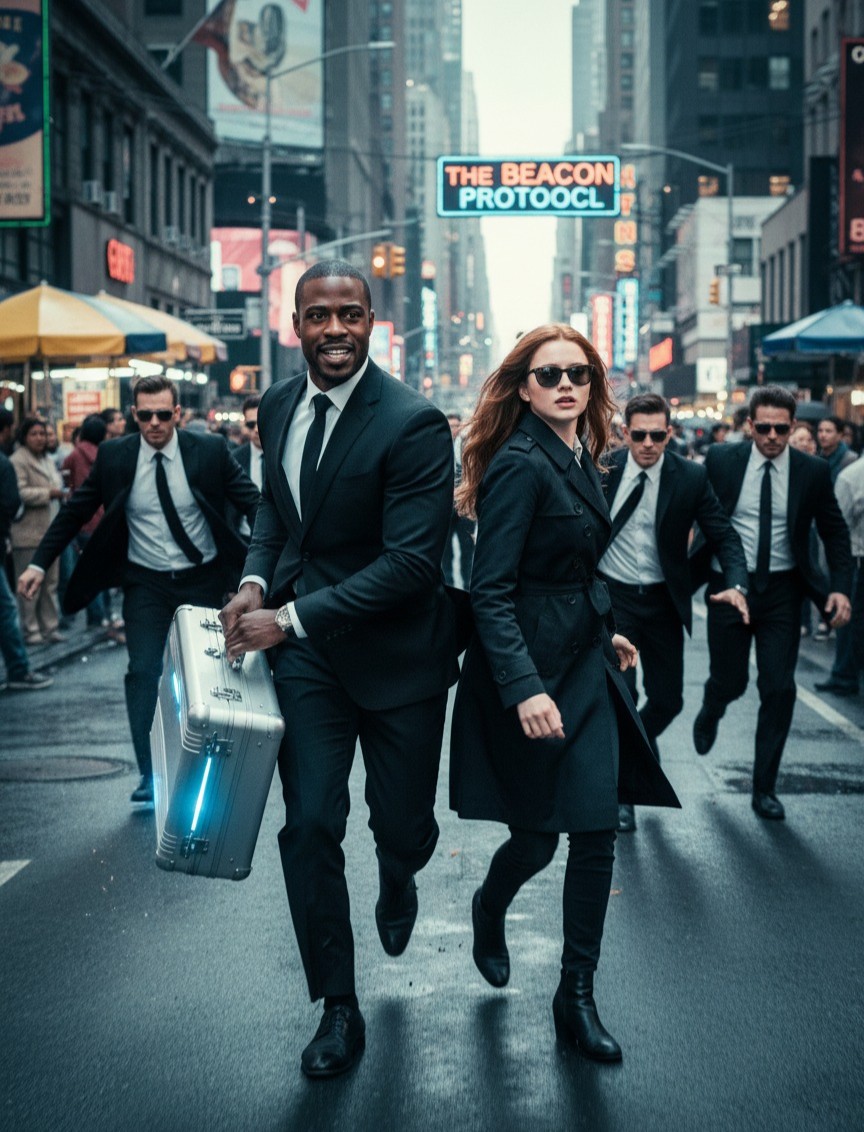
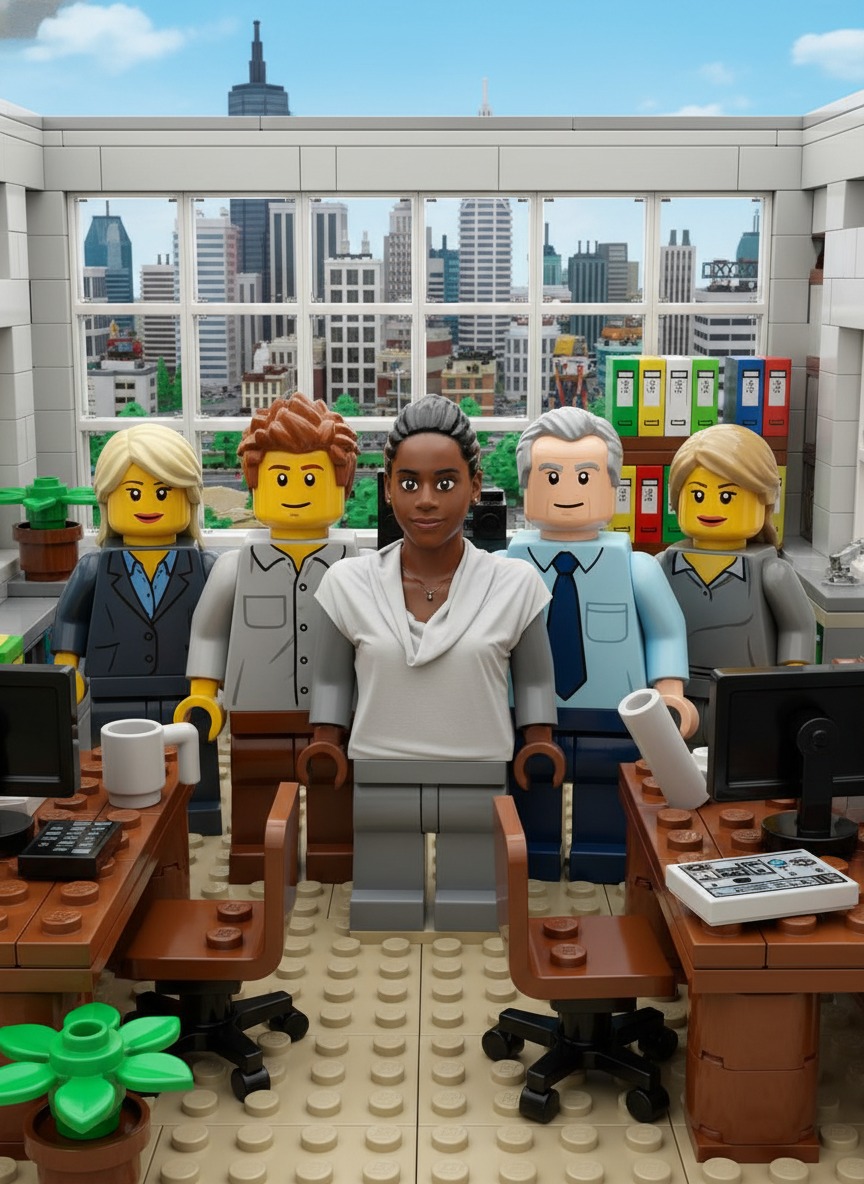
The biggest shift is perceived value. A traditional booth captures a moment as it is. An AI photo booth transforms that moment into something guests couldn’t easily create on their own.
That difference is visible immediately, and it often sparks more curiosity.
How guest expectations shift
With that added value comes a change in expectations. Guests are usually willing to wait a little longer for an AI-generated result, as long as the wait feels reasonable and the outcome feels worth it.
This makes event flow more important, not less. A slow AI booth feels more frustrating than a slow traditional one.
Operational differences teams notice first
AI photo booths introduce new operational considerations. Processing time, network reliability, and system stability all matter more than they do with mechanical setups.
Traditional booths are largely physical systems. AI booths rely on software and infrastructure, which is why event-focused platforms prioritise predictability over experimentation.
Staffing and setup trade-offs
Staffing needs can change as well. Traditional booths often require attendants for props or troubleshooting. AI booths benefit more from strong setup and configuration before the event.
When this is done well, the guest experience becomes largely self-guided.
Consistency across multiple events
Another difference is how experiences scale. Traditional booths produce similar results everywhere. AI booths can evolve over time, offering new styles without changing physical hardware.
For brands running multiple activations, this flexibility can be valuable.
When traditional booths still make sense
AI photo booths aren’t always the right choice. At very small events, low-light environments, or situations where speed is the only priority, traditional booths can still be the better option.
The decision shouldn’t be driven by novelty alone.
Choosing based on event goals
If the goal is fast throughput with minimal variation, traditional booths excel. If the goal is memorability and modern appeal, AI booths offer something different.
Understanding how each option changes guest behaviour and event flow is the key to choosing the right tool. At their best, AI photo booths don’t replace traditional ones. They expand what’s possible.
AI photo booth vs traditional photo booth: what actually changes at events?
Nov 29, 2024
AI Photobooths
FAQs
Are AI photo booths better than traditional photo booths?
Neither is universally better. AI booths offer transformation and novelty, while traditional booths prioritise speed and simplicity. The right choice depends on event goals.
Do AI photo booths require more technical setup?
AI booths may require more digital configuration, while traditional booths involve more physical setup. Each has different operational needs.
Which option works better for large corporate events?
Both can work. AI booths are often chosen for engagement and modern appeal, while traditional booths may suit events focused on fast throughput.
AI Photobooth vs face swap: what’s the difference?
Here's the real difference between AI photobooths and face swap experiences, and why that distinction matters when you’re running live events.
What happens after the event: the overlooked value of AI photo booths
Why AI photo booths matter even after the event is over.
Why AI image results are consistent but not identical
Why AI images are consistent, why it's intentional, and what it means when you’re running AI in front of real guests.