
Most people have heard of AI photo booths, but very few can describe what actually happens when a real guest uses one at a live event. That gap matters, because confusion is the fastest way to lose engagement.
The experience usually starts before the guest even realises it. They notice the booth because it looks intentional and part of the event, not like an experiment tucked into a corner. Clear branding and a simple screen give an important signal: this is something you can walk up to and use without instructions.
Guests don’t want to study a setup. They want to know, almost instantly, “Is this for me, and will it be easy?” When that answer is yes, they step closer.
Choosing without overthinking
Once engaged, the guest is guided rather than challenged. They are not asked to type prompts, describe themselves, or invent creative ideas on the spot. Instead, they choose from a small, curated set of styles or filters that were decided ahead of time by the organiser.
This is deliberate. At events, people are social, distracted, and often moving in groups. Fewer choices make the experience feel lighter and more confident. Guests can say “this one looks fun” and move on, instead of pausing to think.
Taking the photo feels familiar
The photo capture itself is the easiest part. Guests already know how to stand, smile, and pose. That familiarity is important, because it keeps the focus on the experience rather than the technology.
At this point, guests understand that something is about to happen. They don’t need to know how the AI works. They just know they’ve taken a photo and a result is coming.
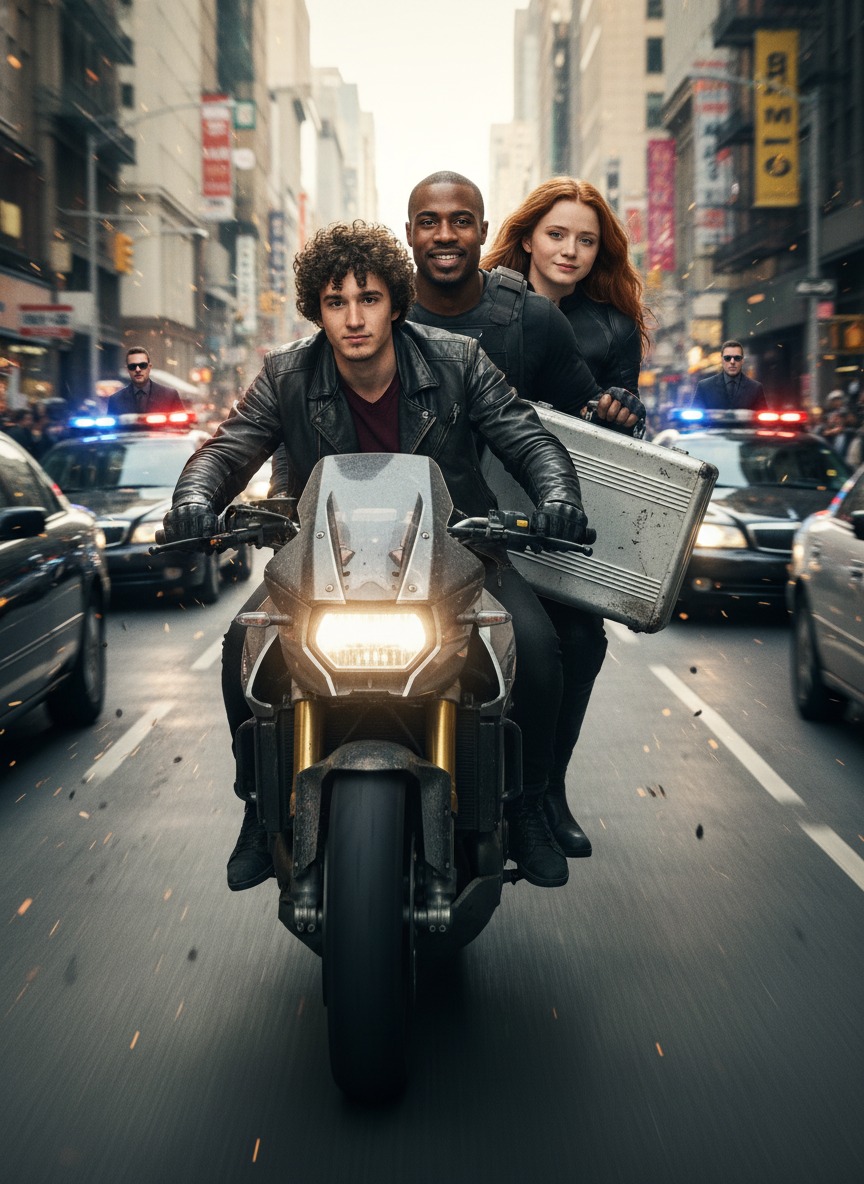
What happens while the AI does its work
After the photo is taken, the AI processing happens in the background. From the guest’s perspective, this is simply a short wait. From the organiser’s perspective, this is where everything either works smoothly or starts to fall apart.
At live events, time behaves differently. A delay of a few seconds can feel long when people are waiting, watching, and deciding whether to join the line. This is why event-ready AI photo booths rely on predictable inputs. The system already knows what it’s producing, because the filters are predefined.
That predictability allows results to arrive quickly and consistently, even when many guests are using the booth back-to-back.
The reveal moment guests care about
When the result appears, the reaction is usually immediate. Guests are looking for one thing: “Does this feel like me?” When it does, the value of the experience becomes obvious without explanation.
This is also where good AI photo booths avoid awkwardness. The result shouldn’t feel random or surprising in a bad way. It should feel like a clear transformation, not a guess.
How guests receive their photos
Delivery is part of the experience, not an afterthought. Some events show the result on-screen first, others send it directly to the guest’s device, and some combine both.
What matters is that sharing feels optional. Guests are far more comfortable engaging when they don’t feel pressured to hand over personal details just to see their photo.
Why events change how AI should behave
What’s easy to miss is how much this entire flow is designed around human behaviour, not AI capability. Guests might be holding drinks, talking to friends, or watching others go before them. The experience has to fit naturally into that environment.
This is why AI photo booths built for events avoid free-form creativity by default. Asking guests to invent prompts or experiment slows things down and creates uneven results. In event settings, consistency usually beats novelty.
What guests remember afterwards
When everything works well, guests don’t walk away thinking about the technology. They remember that it was easy, fun, and that the result looked good.
They don’t remember how long the processing took or what model was used. They remember how the experience felt, and whether it fit naturally into the event. That’s the real measure of success for an AI photo booth in the real world.
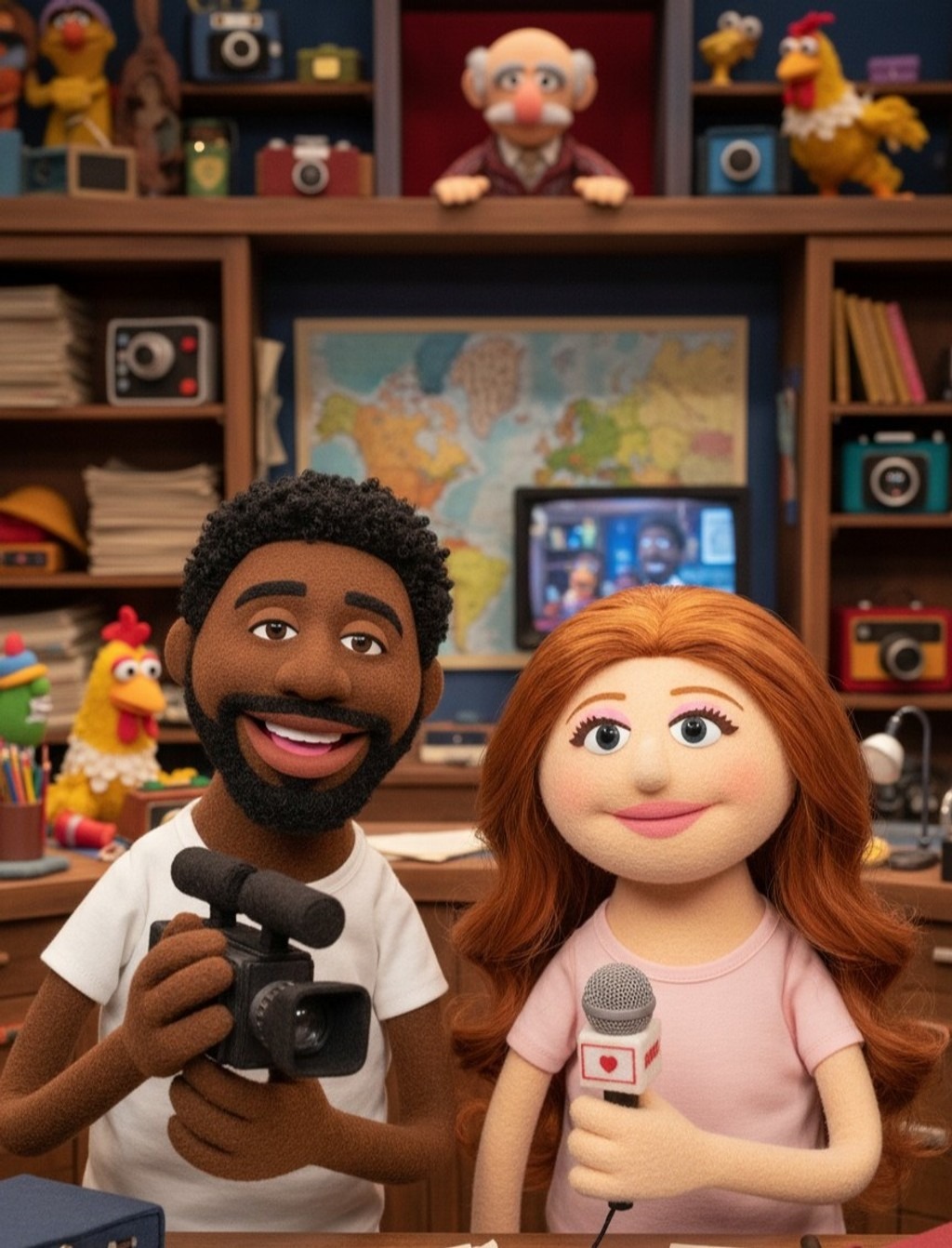
What actually happens when a guest uses an AI photo booth at an event?
Feb 14, 2024
AI Photobooths
FAQs
What is an AI photo booth experience like at a live event?
An AI photo booth experience at a live event is designed to be simple and guided. Guests choose from predefined styles or filters, take a photo, and receive an AI-generated result shortly after. The process is structured to feel easy and social rather than technical.
Do guests need to type prompts in an AI photo booth?
In event-focused AI photo booths, guests typically do not type prompts. Instead, they choose from curated options selected by the event organiser. This keeps the experience fast, predictable, and suitable for public environments.
Is an AI photo booth difficult for non-technical guests?
No. The experience is designed for general audiences. Clear instructions and predefined options allow guests to participate confidently without needing technical knowledge.
AI Photobooth vs face swap: what’s the difference?
Here's the real difference between AI photobooths and face swap experiences, and why that distinction matters when you’re running live events.
What happens after the event: the overlooked value of AI photo booths
Why AI photo booths matter even after the event is over.
Why AI image results are consistent but not identical
Why AI images are consistent, why it's intentional, and what it means when you’re running AI in front of real guests.