
At brand activations, guests are focused on entertainment.
Agencies, on the other hand, are focused on reputation, consistency, and measurable value.
This difference shapes how AI photo booths must be designed.
If you're comparing different approaches, it’s helpful to understand how AI photo booths differ from traditional setups in terms of flexibility and scalability.
The invisible priorities
Agencies care about:
• Brand alignment
• Visual consistency
• Risk mitigation
• Repeatability across cities
Guests rarely think about these things. But if they go wrong, agencies feel it immediately.
Why structure matters more than novelty
An activation may only run for a few hours, but the content generated can circulate for weeks. This is where branding becomes critical, as explained in what “branding” actually means in an AI photo booth experience.
The experience must feel creative without becoming unpredictable.

Protecting the client without reducing engagement
Controlled filter selection protects brand tone. Guests still feel transformation and excitement, but within guardrails.
This balance is the difference between an activation that feels polished and one that feels risky.
If the wrong tool is chosen — for example, something closer to a face swap app rather than a structured AI photobooth — the experience can drift away from the intended message.
Scaling across multiple events
Agencies often run activations across different cities or venues. A reliable AI photo booth system must produce consistent results everywhere.
That consistency is one of the operational differences between traditional photo booths and AI-driven experiences.
Measurable value beyond the moment
Activations aren’t just about on-site excitement. They’re about shareability and extended engagement.
An AI photo booth should support that objective without forcing data collection or making guests uncomfortable.
Why agencies evaluate differently than guests
Guests evaluate experiences emotionally. Agencies evaluate them strategically.
When an AI photo booth supports both perspectives, it becomes more than a novelty. It becomes part of the campaign infrastructure.
The right question to ask
Instead of asking “Will guests like this?”, agencies should ask, “Does this protect the brand while creating shareable moments?”
When the answer to both is yes, the activation works.
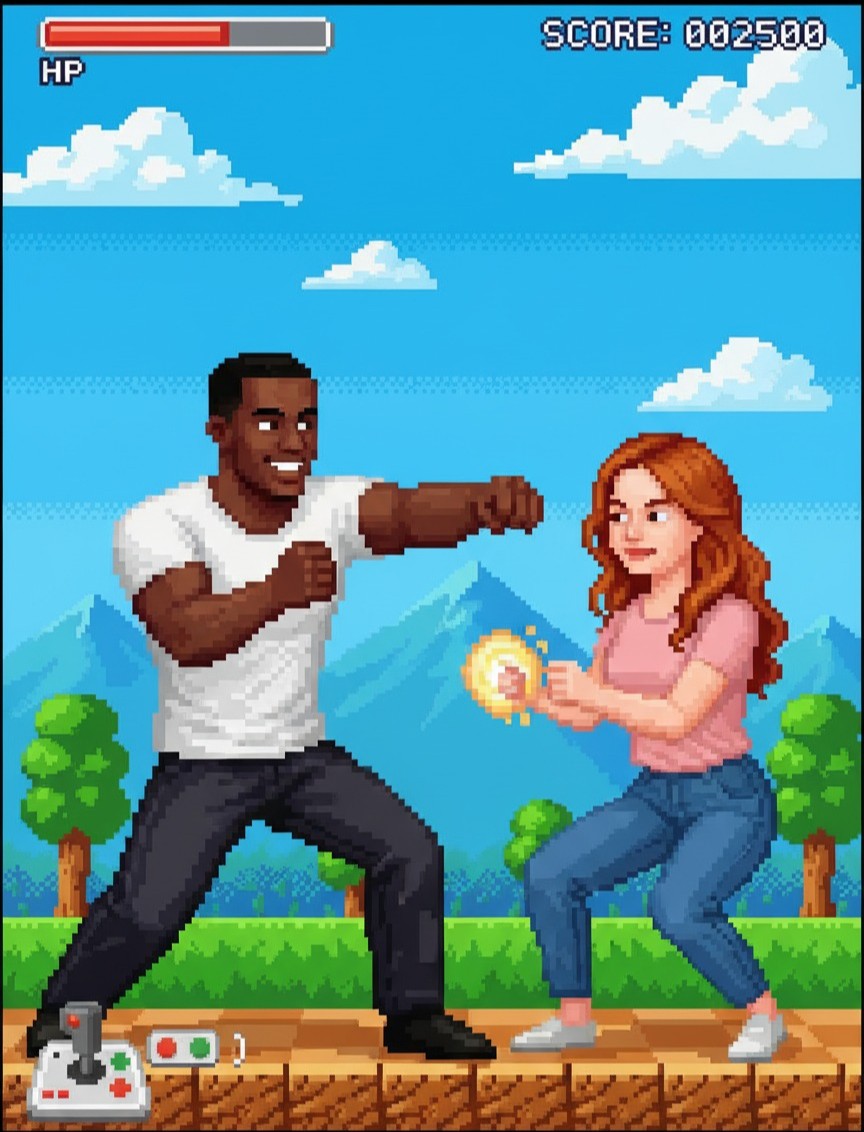
AI photo booths for brand activations: what agencies care about that guests don’t
Oct 20, 2025
AI Photobooths
FAQs
Why do agencies care about control in AI photo booths?
Because they are responsible for protecting brand reputation and ensuring consistent output.
Are AI photo booths safe for public brand activations?
When structured properly with controlled inputs, they can be suitable for public environments.
How do AI booths support campaign goals?
They create shareable, branded content that can extend engagement beyond the event.
AI Photobooth vs face swap: what’s the difference?
Here's the real difference between AI photobooths and face swap experiences, and why that distinction matters when you’re running live events.
What happens after the event: the overlooked value of AI photo booths
Why AI photo booths matter even after the event is over.
Why AI image results are consistent but not identical
Why AI images are consistent, why it's intentional, and what it means when you’re running AI in front of real guests.